
A side-by-side analysis of natural ingredient
formats and delivery methods for men in Indonesia.
Comparing Formats
The way a nutrient reaches your body can matter as much as the nutrient itself. From traditional powders to modern liposomal deliveries, Nusavita compares natural supplement formats side by side — so you can choose what fits your lifestyle, your absorption needs, and your daily routine.
Why delivery format matters
Two supplements can carry the same vitamin on their label and still perform very differently in your body. The format — whether that vitamin is pressed into a tablet, suspended in a liquid, wrapped in a phospholipid bubble, or grown in a whole food source — changes how quickly the nutrient is released, how much of it actually makes it into your bloodstream, and how convenient it is to take every day.
For men in Jakarta and across Indonesia, two practical pressures shape the choice: a warm, humid climate that affects how formats travel, and a daily routine that may move between home, office, and airport. The comparisons below break down what each format does well, where it falls short, and which lifestyle it suits best — without medical claims, just the practical science of absorption.
Absorption Speed
How quickly the nutrient is released and taken up. Liquids and liposomal formats lead; tablets trail.
Portability
Resistance to heat, humidity, and movement. Solid formats win for travel; liquids stay home.
Cost per Serving
What you pay over weeks of use. Tablets and powders are budget-friendly; liposomal is a premium investment.

Tablets vs. Capsules — The Basics
Tablets are often the most cost-effective and shelf-stable way to consume vitamins. A single tablet can hold a large dose of nutrient in a compact form, and the compressed structure holds up well in a Jakarta handbag or a desk drawer. The trade-off is in the binders: tablets need holding agents to keep their shape, and those binders can slow down how quickly the tablet breaks apart in the stomach.
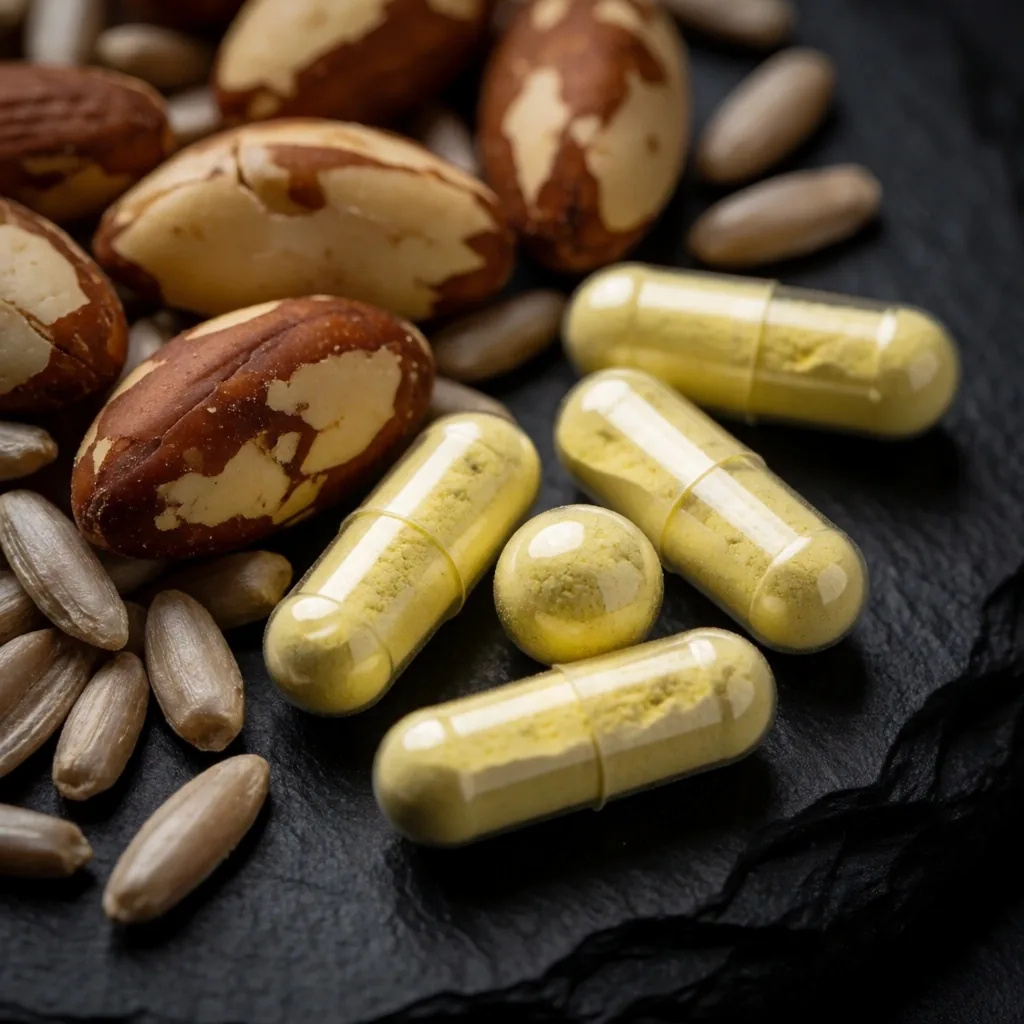
Capsules — especially those made from plant-based cellulose rather than animal gelatin — typically break down faster in the stomach, allowing for quicker nutrient release. They are easier to swallow for many men, and the cellulose shell keeps light- and heat-sensitive ingredients reasonably protected. The compromise is capacity: a capsule holds less active ingredient per unit than a tablet, so high-dose nutrients may require a larger capsule or two servings.
High-dose single nutrients, budget-conscious daily routines, long shelf life in warm storage.
Faster release, plant-based diets, sensitive botanical extracts, easier swallowing.
The Advantages of Liquid Extracts
Liquid supplements and tinctures offer the fastest absorption rates because the body does not need to break down a solid structure. The moment a liquid botanical extract touches the tongue, absorption can begin through the mucosal lining — before the stomach or intestines even get involved. For men who value tradition, liquids also carry flavor and aroma that are part of the botanical experience: the bitterness of a tonic, the earthiness of a root decoction.
The trade-off is portability. A glass dropper bottle does not travel as cleanly as a blister pack, and liquid formats can leak, spoil in heat, or require refrigeration after opening. They are better suited for a quiet morning routine at home than for a busy commute through Senayan or a flight to Singapore. For men who travel often, a liquid extract often works best as a base layer taken at home, with a solid format kept for the road.

Liquid formats shine for botanical extracts where flavor and aroma are part of the intended experience.
Powders for Customization and Dosage
Nutritional powders — plant-based proteins, greens blends, and mineral mixes — allow for high-dose delivery and easy customization. You can mix them into water, a smoothie, or oatmeal, and adjust the serving size to match what you need that day. For men who prefer to combine several supplements into one daily drink rather than swallowing a handful of capsules, powders are the most flexible format available.
High-Dose Delivery
A single scoop can carry grams of active ingredient — far more than a capsule or tablet can hold comfortably.
Flexible Serving
You control the dose. Half a scoop on a light day, a full scoop after a long training session.
Stack Friendly
Combine protein, greens, and mineral powders into one shake — one drink, several nutrients, no extra capsules.
The trade-off is convenience. Powders need a liquid to dissolve into, a container to shake them in, and a moment to clean up afterward. They also vary in taste — some plant-based protein powders carry an earthy or chalky note that takes getting used to. For men who already make a morning smoothie, the powder format fits naturally. For those who want a ten-second routine before running out the door, a capsule may serve better.
Liposomal Technology and Bioavailability
Liposomal delivery wraps a nutrient in a layer of fa — specifically phospholipids — to protect it through the digestive tract. The phospholipid shell shields the nutrient from stomach acid and enzymes, then merges with the cell membranes of your gut lining to deliver the payload directly. This method significantly increases the absorption of nutrients like Vitamin C and glutathione, which the body otherwise struggles to take up in large amounts.
Because the manufacturing process is more involved, liposomal formats tend to cost more per serving than tablets or powders. For daily maintenance nutrients that absorb well in simpler forms, the premium may not be necessary. For nutrients with known absorption limits, or for men who want to maximize what reaches their bloodstream, the investment can pay off in results you can feel over weeks rather than months.
View Comparison Chart
A side-by-side breakdown of the five most common natural supplement formats. Use this chart to weigh absorption speed against portability, cost, and the kind of nutrient each format handles best.
| Format | Absorption | Portability | Cost per Serving | Best Suited For |
|---|---|---|---|---|
|
Tablet
Compressed powder with binders |
Moderate — binders slow release | Excellent — heat-stable, compact | Low | Budget daily vitamins, high-dose single nutrients |
|
Capsule
Plant cellulose or gelatin shell |
Fast — shell dissolves quickly | Very good — lightweight, no leakage | Low to medium | Sensitive extracts, plant-based diets, easy swallowing |
|
Liquid Extract
Tincture or suspension in glass |
Very fast — absorption begins in the mouth | Limited — fragile, can leak, may need refrigeration | Medium | Botanicals where flavor matters, home routines |
|
Powder
Loose mix in a tub or sachet |
Fast — dissolves before reaching the gut | Fair — needs a shaker and liquid | Low | High-dose nutrients, stacking multiple supplements, smoothies |
|
Liposomal
Nutrient wrapped in phospholipids |
Highest — protected through the gut | Good — stable in sachets, less so in large bottles | High | Vitamin C, glutathione, nutrients with low natural uptake |
Comparison is educational and reflects general format characteristics. Individual products vary by manufacturer, ingredient quality, and formulation.
Whole Food vs. Synthetic Sources
Nature packages vitamins with co-factors — enzymes, minerals, and phytonutrients that help the body recognize and use the nutrient. An acerola cherry does not deliver Vitamin C in isolation; it delivers it alongside bioflavonoids that shape how the vitamin is absorbed and circulated. Whole-food supplements try to preserve that natural packaging.
Whole Food Source
Retains natural co-factors and enzymes. The body recognizes the complex as food. Example: acerola cherry for Vitamin C, rather than isolated ascorbic acid alone.
Often lower potency per serving; may cost more.
Synthetic Source
Isolated single molecule, manufactured for purity and dose precision. Useful when a high concentration of one nutrient is needed quickly and cheaply.
Missing the co-factors that guide natural absorption.
Understanding the difference helps you choose products that provide a more complete nutritional profile. Whole-food sources tend to cost more per milligram of active vitamin, because growing and concentrating real food takes more steps than synthesizing a molecule. For daily maintenance, many men find a mix works well: whole-food sources for nutrients where absorption context matters, synthetic for nutrients the body handles efficiently on their own.
Sourcing and Purity Standards
Regardless of format, the purity of the raw ingredients matters most. A liposomal capsule made from contaminated raw material is worse than a simple tablet made from clean material. We look at how different manufacturers handle heavy metal testing, solvent residues, and the removal of agricultural contaminants — concerns that are especially relevant for botanical extracts sourced from tropical soils.
Our comparison guides highlight the importance of choosing brands that provide third-party verification of their ingredient quality. A manufacturer's own lab results are a starting point; an independent assay from a registered testing facility is stronger evidence that what is on the label matches what is in the container.
Portability and Storage Considerations
For a man who travels frequently for business within Indonesia or abroad, portability is a key factor. We evaluate delivery methods based on how well they withstand heat and humidity — conditions that define daily life in Jakarta. A tablet in a blister pack survives a center-console car drawer; a liquid tincture left in the same spot for a week may degrade.
Some formats require refrigeration after opening, while others are designed for life on the go. Powders in single-serve sachets travel well if you have water and a shaker. Liposomal sachets are among the most travel-friendly premium formats. The right choice depends on where your day takes you — and how much of your routine happens away from home.
Cost-Effectiveness and Value
Investing in your wellness should be sustainable over the long term. A format that works for two weeks and then sits unused in a cupboard is not good value, whatever the cost per serving. We break down the real cost per serving across different formats — accounting for how much you actually absorb, not just how much is printed on the label — so you can determine where to save and where to invest.
As a general pattern: tablets and powders offer the lowest cost per serving and suit daily maintenance nutrients. Capsules sit in the middle. Liquid extracts and liposomal formats cost more per serving, but may deliver better value for nutrients where absorption is otherwise low. The goal is to match the format to the nutrient, the nutrient to your goals, and the cost to a budget you can sustain for years rather than weeks.

Have a question about which format fits your routine?
If you are weighing two formats and want a grounded perspective on how each behaves in Jakarta's climate, our team can talk through the practical details. Reach us by phone during business hours or send a written inquiry — we respond to product and ingredient questions, not wellness consultations.
Monday to Friday · 09:00–18:00 WIB